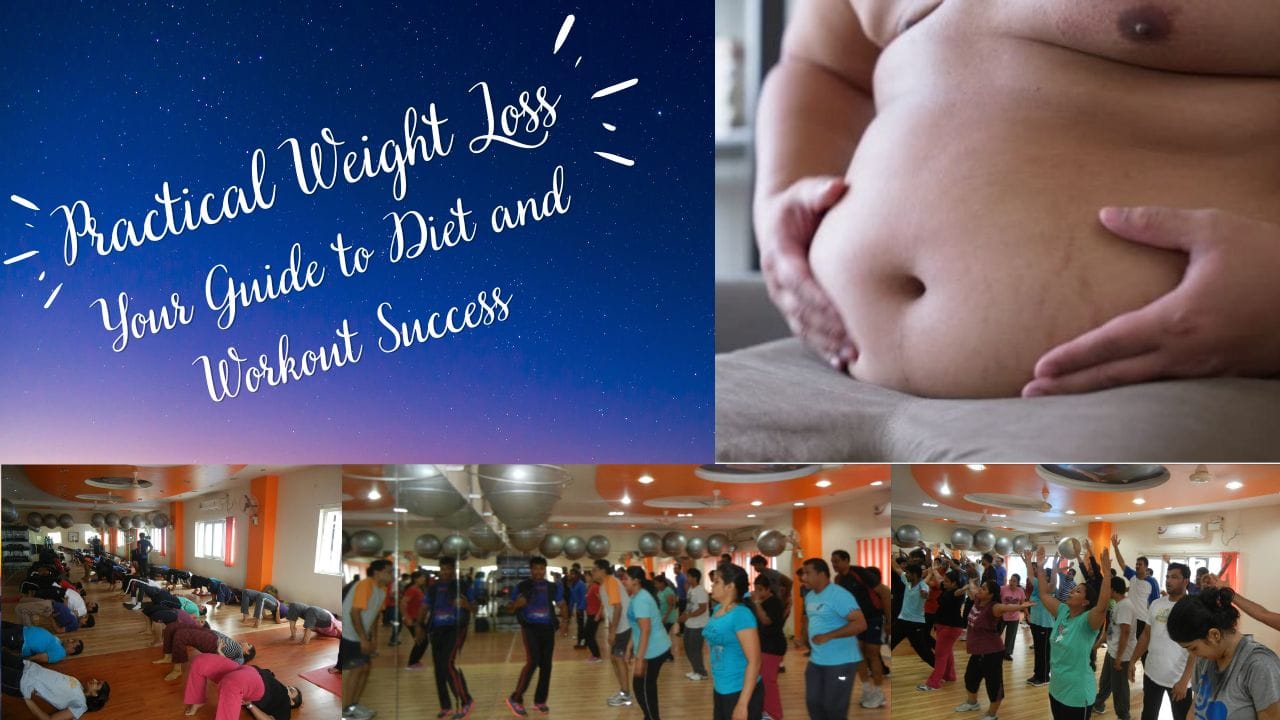
Losing weight does not require extreme dieting, starvation, or spending hours in the gym. Practical weight loss is about creating healthy habits that fit into your daily routine and can be maintained for life. By combining balanced nutrition, smart workouts, and a positive mindset, you can achieve steady fat loss while improving your overall health.
This guide is designed for beginners, busy professionals, men and women over 30 or 40, and anyone who wants realistic results without harming their body.
Why Practical Weight Loss Is Important
Many people fail at weight loss because they follow unrealistic plans. Crash diets, extreme workouts, and quick-fix programs may show temporary results, but they often lead to fatigue, injuries, or weight regain.
Practical weight loss focuses on:
- Long-term health instead of short-term results
- Sustainable eating habits
- Enjoyable and safe workouts
- Gradual and steady fat loss
When weight loss is practical, it becomes a lifestyle, not a struggle.
Building a Healthy Diet for Sustainable Weight Loss
Eat a Balanced and Nutrient-Dense Diet
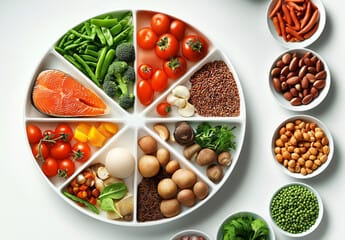
A healthy diet is the foundation of weight loss. Instead of cutting food completely, focus on eating the right foods in the right amounts.
Include the following daily:
- Fresh vegetables like spinach, carrots, beans, and broccoli
- Fruits such as apples, papaya, oranges, or berries
- Whole grains like brown rice, oats, millet, or whole wheat
- Lean protein sources such as eggs, paneer, dal, fish, or chicken
- Healthy fats from nuts, seeds, olive oil, and groundnuts
Avoid or limit:
- Sugary drinks and sweets
- Processed and fried foods
- Excess refined flour and packaged snacks
Portion Control and Meal Timing
Even healthy food can lead to weight gain if eaten in excess. Portion control helps maintain calorie balance.
Simple tips:
- Use smaller plates
- Eat slowly and mindfully
- Stop eating when you feel 80% full
- Avoid late-night heavy meals
Try to maintain regular meal timings with:
- Breakfast
- Lunch
- Evening snack
- Light dinner
Drink 2.5 to 3 liters of water daily to support digestion and fat metabolism.
Popular Diet Patterns You Can Consider
Some people prefer structured diet styles. These can work if followed correctly:
- Mediterranean Diet – rich in vegetables, fruits, whole grains, and healthy fats
- DASH Diet – low in salt and good for heart health
- Flexitarian Diet – mostly plant-based with occasional meat
- Intermittent Fasting – suitable for some, but not everyone
Choose a diet that fits your lifestyle and health condition.
Effective Workout Routines for Weight Loss
Combine Cardio and Strength Training
Exercise helps burn calories, improves metabolism, and boosts mental health.
Cardio exercises:
- Brisk walking
- Aerobics
- Cycling
- Swimming
- Jogging
Strength training:
- Squats
- Lunges
- Push-ups
- Planks
- Resistance band exercises
Strength training builds muscle, which helps your body burn more calories even at rest.
Sample Weekly Workout Plan (Beginner Friendly)
- 3–4 days: Strength training (30–40 minutes)
- 2–3 days: Cardio or aerobics (20–30 minutes)
- 1–2 days: Light yoga, stretching, or walking
- 1 rest day for recovery
Consistency is more important than intensity. Start slow and increase gradually.
Consistency and Progression Matter Most
Weight loss does not happen overnight. Focus on:
- Improving form instead of speed
- Increasing duration gradually
- Staying active most days of the week
Set small goals such as walking 15 minutes daily and build from there.
Common Weight Loss Mistakes to Avoid
Avoid these common errors:
- Skipping meals
- Overdoing cardio without strength training
- Eating too little protein
- Expecting instant results
- Comparing your progress with others
Weight loss is personal, and everyone’s body responds differently.
Lifestyle Habits That Support Weight Loss
Healthy habits outside the gym are just as important:
- Sleep 7–9 hours daily
- Manage stress with meditation or deep breathing
- Stay active during the day (stairs, walking, stretching)
- Track your progress weekly, not daily
Small lifestyle changes create big results over time.
How Long Does Practical Weight Loss Take?
- 2–4 weeks: Increased energy and better digestion
- 6–8 weeks: Visible body changes
- 12 weeks and beyond: Sustainable fat loss and improved fitness
Patience and consistency are the keys to success.
Is Practical Weight Loss Suitable for Everyone?
Yes, practical weight loss can be adapted for:
- Beginners
- People over 40
- Women
- Busy professionals
Always customize workouts and diet according to your health condition and comfort level.
Final Thoughts
Practical weight loss is not about punishment or restriction—it is about smart choices, consistency, and self-care. By following a balanced diet, staying active, and maintaining healthy habits, you can achieve lasting results without harming your body or mind.
Focus on progress, not perfection. Small steps taken daily will lead to big transformations over time.
Disclaimer
This article is for general fitness and wellness information only. Please consult a qualified healthcare or fitness professional before starting any new diet or exercise program.